Buy Plants that are Chemical Free and Pollinator Friendly!
How to Make Informed Choices When Planting for Bees and Butterflies
In recent years, backyard gardening has become a lifeline for pollinators. Gardeners across the country are planting milkweed for monarchs, bee balm for bumble bees, and heirloom vegetables to support biodiversity. But there’s a hidden danger lurking in many well-meaning gardens: neonicotinoid insecticides.
Despite our best intentions, we may be planting poison — and we often don’t even realize it.

The Hidden Threat in “Pollinator-Friendly” Plants
One of the most important actions any gardener can take is this: Buy only neonicotinoid-free plants and seeds. Even if you never use pesticides or herbicides yourself, your plants may already be carrying them.
That’s because many nurseries — especially the big national chains — stock flowers and vegetables that have been pre-treated with systemic insecticides. These chemicals don’t just sit on the surface; they’re absorbed by the plant and spread throughout its entire structure — including its nectar and pollen.
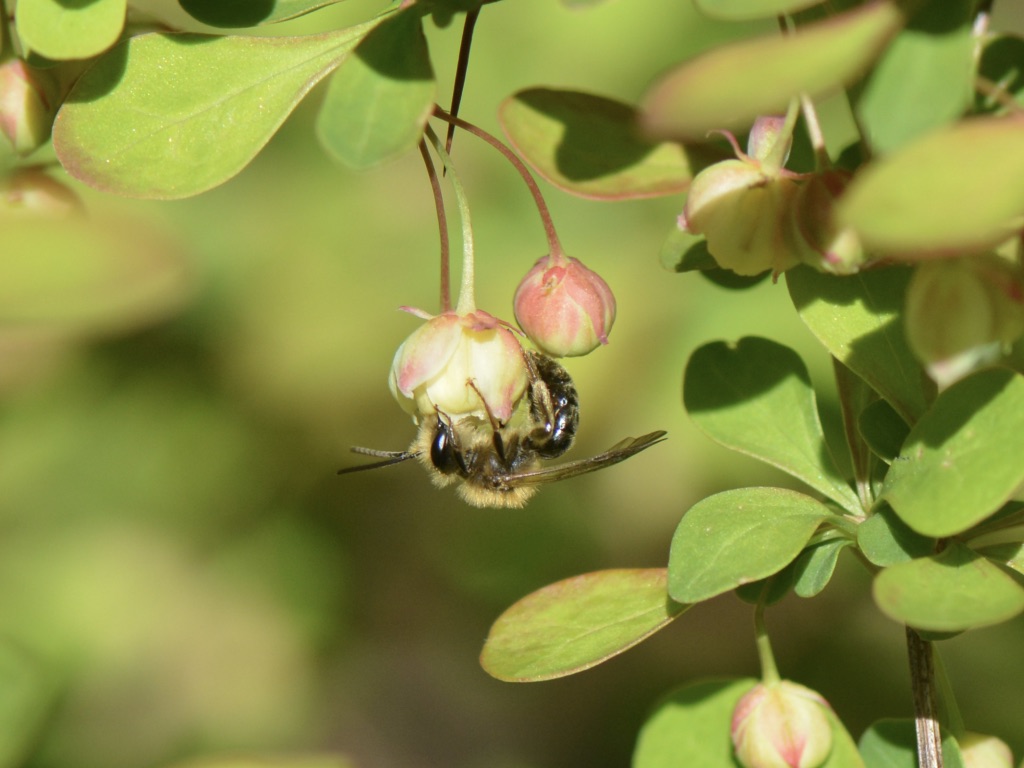
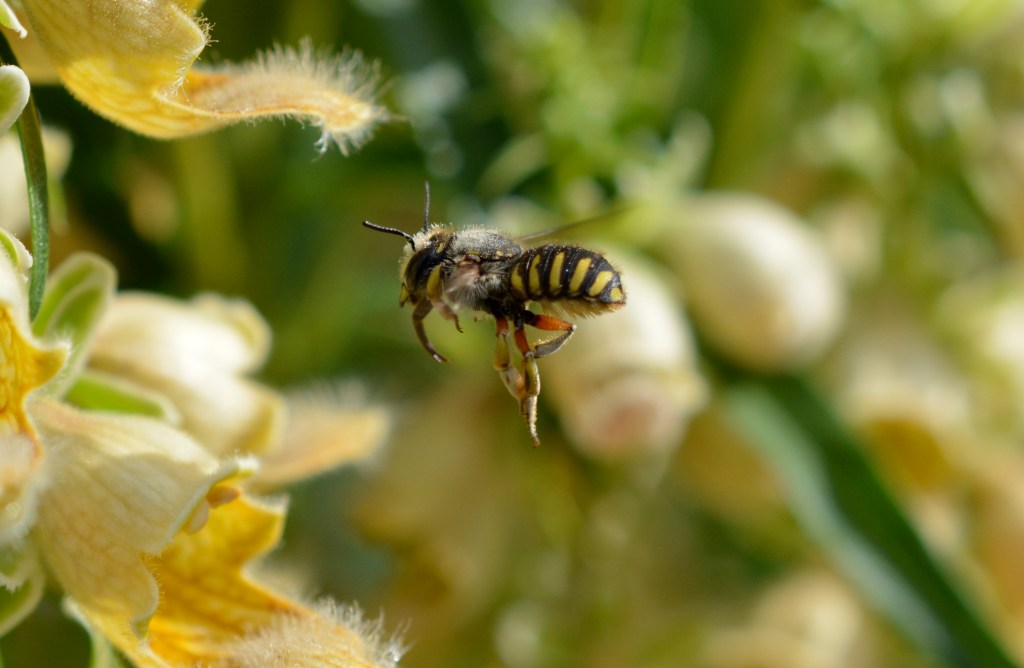
So, when a bee visits that flower, it collects more than pollen — it brings back neurotoxins to the nest, which can poison entire colonies or broods.
What Are Neonicotinoids?
Neonicotinoids (or “neonics”) are a relatively new class of insecticide derived from nicotine. Unlike traditional sprays, neonics are water-soluble and can be applied to soil. Plants take them up through their roots, making them resistant to pests from the inside out.
But this also means they contaminate every part of the plant — including what pollinators rely on for food.
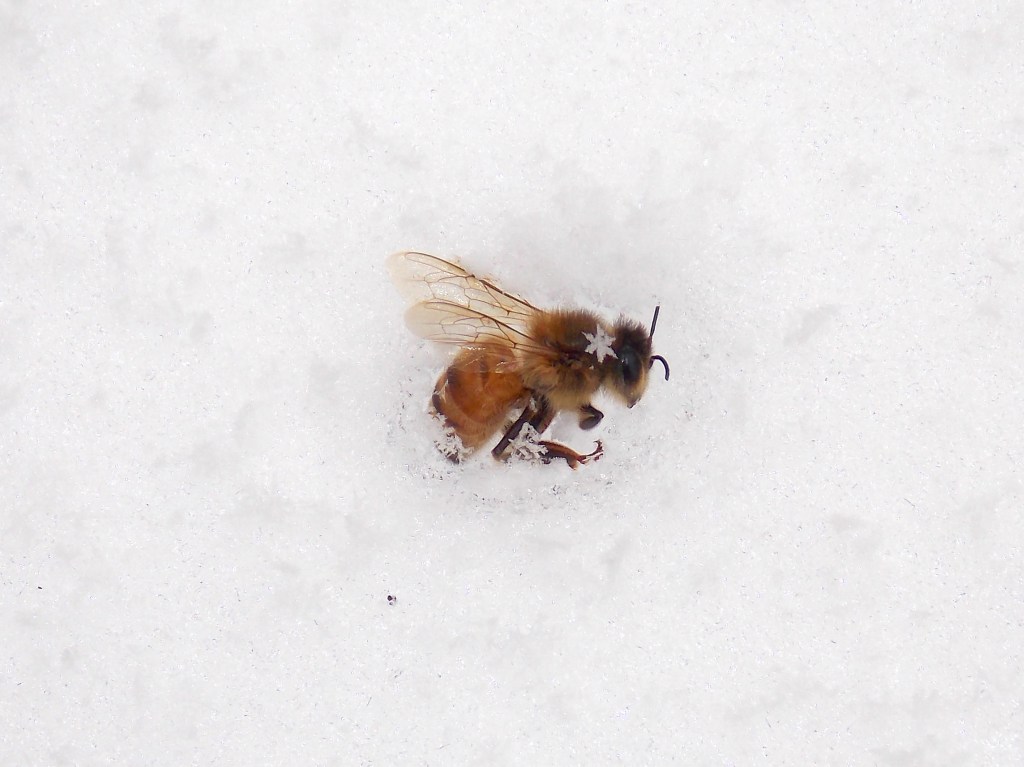
These chemicals are highly toxic to insects, even in small doses. When bees are exposed, they can become disoriented, unable to navigate or forage. Long-term exposure weakens colonies and contributes to Colony Collapse Disorder in honey bees.
And it’s not just honey bees. Studies now show neonics also harm:
- Native bees
- Bumble bees
- Butterflies (including monarchs)
- Beneficial insects like ladybugs and lacewings
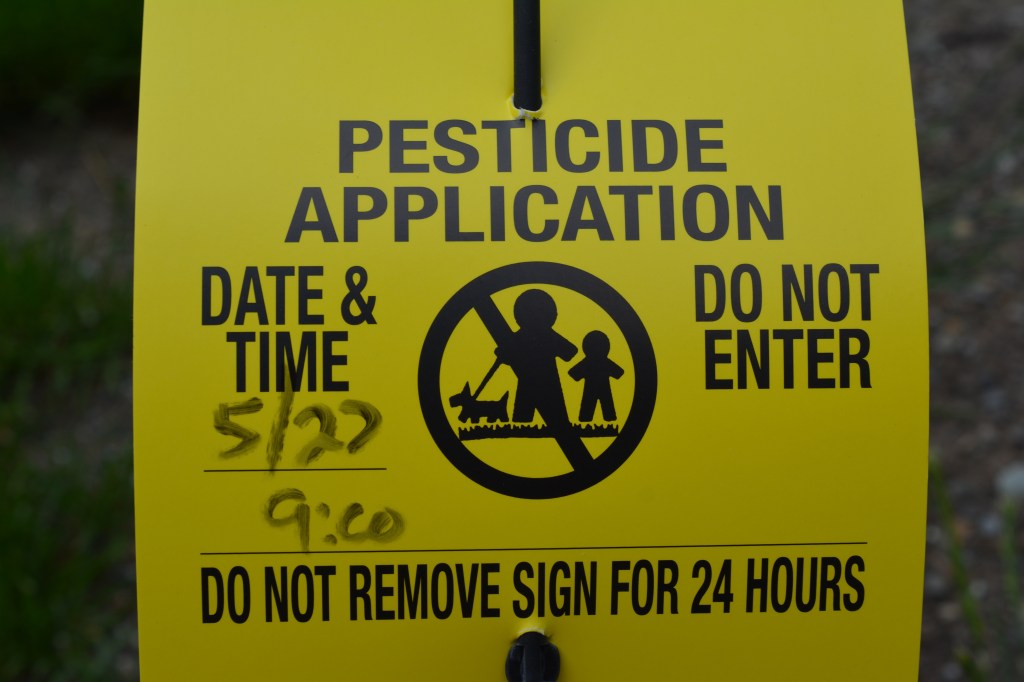
Innocent Victims of a Broken System
Neonicotinoids are marketed as a “safe” solution for pest control because they target insects. But pollinators — the very foundation of our food systems — are innocent casualties.
If you’re buying plants or seeds from big-name retailers, there’s a good chance they’ve been treated with these chemicals. The worst offenders include:
- Walmart
- Home Depot
- Lowe’s
- Target
- BJ’s Wholesale Club
Some stores, such as Home Depot and BJ’s, now label plants treated with neonicotinoids — a small step in the right direction. But Native Beeology strongly recommends avoiding these retailers altogether when shopping for pollinator plants.
Instead, support local nurseries and organic growers, where you can ask questions like:
- “Are your plants neonicotinoid-free?”
- “Do you use any systemic pesticides?”
- “Are these plants safe for bees?”
What You Can Do
Helping pollinators doesn’t require a degree in entomology — just mindful choices. Here’s what you can do to make a difference:
- Avoid using any insecticides or herbicides in your garden.
- Buy only neonicotinoid-free plants and seeds.
- Support local nurseries and organic growers.
- Read labels carefully — and know what to look for.
Here are the most common neonicotinoids to avoid:
- Acetamiprid
- Clothianidin
- Dinotefuran
- Imidacloprid
- Thiocloprid
- Thiamethoxam
If any of these are listed — walk away.
A Bigger Question: What Else Is Affected?
We know these chemicals cause neurological damage in insects. But what is the ripple effect?
- Are birds and small mammals affected when they eat contaminated insects?
- What happens to our soil and water as these chemicals accumulate over time?
- And what are the long-term effects on human health?
The truth is, we don’t fully know — and that should concern all of us.
Final Thoughts
Our gardens should be safe havens for pollinators, not hidden traps. Every plant you choose, every seed you sow, and every dollar you spend shapes the ecosystem around you.
Plant wisely. Ask questions. Say no to neonicotinoids.
Your choices matter — to the bees, the butterflies, and the world we share.
References:
“Are Neonicotinoids Killing Bees? A Review of Research into the Effects of Neonicotinoid Insecticides Bees with Recommendations for Action. “ The Xerces Society, 2012.
Recommended Native Nurseries in the Hudson Valley.
1) Catskill Native Nursery – http://www.catskillnativenursery.com
2) Rainbow’s End Butterfly Farm and Nursery – http://www.rainbowsendfarm.biz
3) Hudson Valley Seed Library – http://www.seedlibrary.org
4) American Beauties Native Plants – http://www.abnativeplants.com – (type in area code to find closest retailer)
5) Adam’s Fairacre Farms

 Native Beeology