Suzanne, Elizabeth, and Wilhelmina burst out of the manor house into the wide-open spaces of Stony Kill Farm. The three sisters ran down the farm lane with intentions to play hide-and-seek in the barn—but suddenly, a yellow tiger swallowtail butterfly fluttering over the hayfields caught their attention. They looked at each other and, in silent agreement, leapt into the tall grasses and wildflowers, chasing the butterfly until it paused to rest on a lavender bergamot.
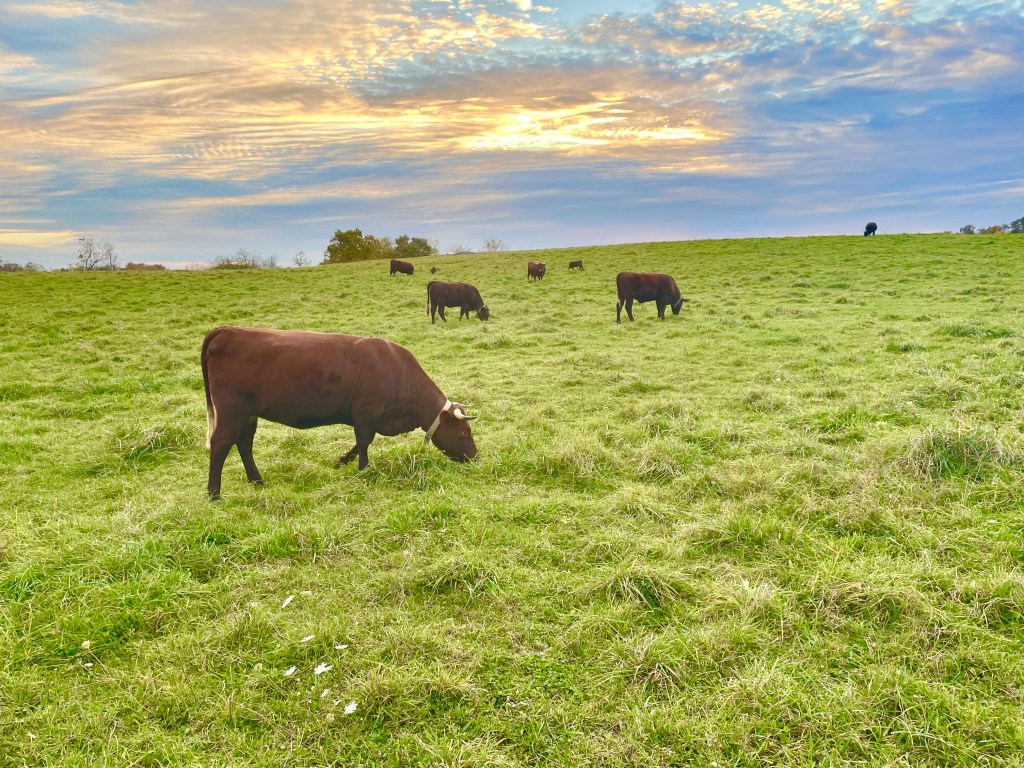
There, the girls stopped—enchanted not just by the butterfly but by the hum of life all around. Barn swallows darted low over the meadow, a bluebird sang from a distant fencepost, and cows grazed under a summer sky brushed with drifting white clouds. The butterfly wasn’t alone—bees of all shapes and sizes were busy nearby. Bumble bees flew home with full pollen baskets, while others gathered nectar from the flowers around them.
The spell was broken only by the sound of their Uncle John Verplanck calling out from the barn. The girls turned and ran toward him, just as a horse and carriage arrived up the lane. That summer moment—chasing a butterfly and standing still in a sea of pollinators—became a treasured memory, forever etched into the story of the farm.

Where to Find Bees and Pollinators at Stony Kill Farm
Stony Kill Farm is alive with pollinators across its varied landscapes—from gardens to forests, farm fields to swamps. Here’s a guide to where you can find them and what you might see.
🌼 Verplanck Memorial Perennial Garden
In front of the Manor House
This pollinator paradise blooms all summer long with native and cultivated flowers. Created in 1997 with support from the Andrews sisters—Elizabeth, Suzanne, and Wilhelmina—it’s designed to attract butterflies, bees, and other beneficial insects.
Who You’ll See:
- Bumble Bees (Bombus impatiens) – Social bees with full pollen baskets.
- Carpenter Bees (Xylocopa spp.) – Solitary bees nesting in wood.
- Metallic Green Sweat Bees (Augochlora and Agapostemon spp.) – Iridescent and fast-moving.
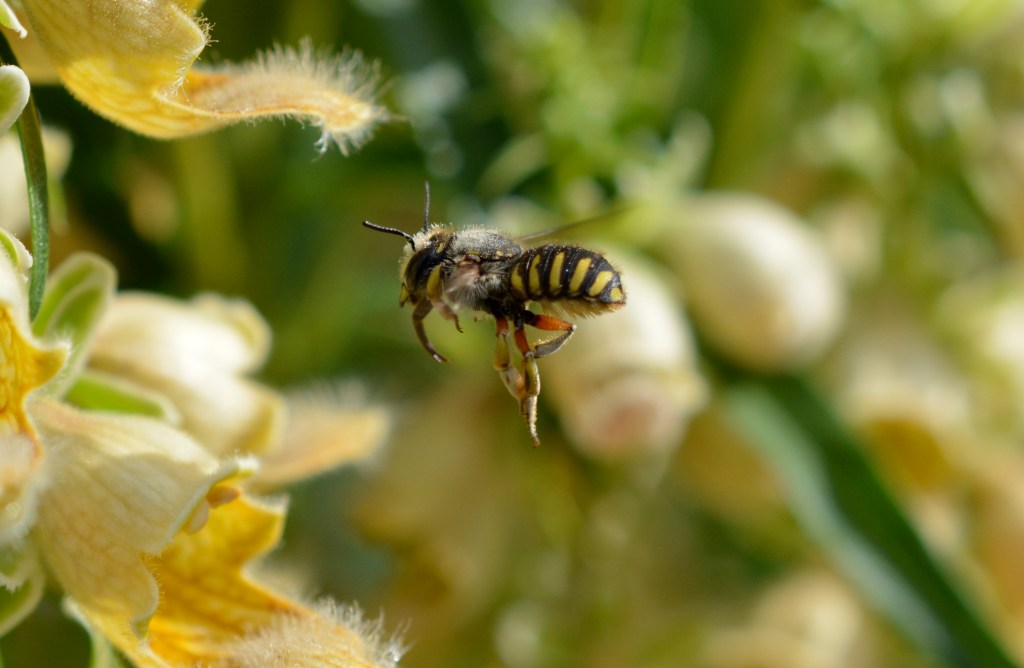
- Leafcutter Bees (Megachile spp.) – Known for carrying leaf pieces back to their nests.
- Butterflies – Tiger swallowtails, monarchs, black and spicebush swallowtails.
- Clearwing Hummingbird Moths – Day-flying moths often mistaken for birds.
When to Visit: Mid-summer for peak bloom and pollinator activity. The garden is especially lively during the Butterfly Festival in July, a family-friendly celebration of “flying flowers.”

🥕 Community Garden Plots
Down the lane behind the barn
These rented plots are filled with fruits, vegetables, and flowers. Each gardener’s choices help create a diverse patchwork of pollinator habitat.
Pollinators in Action:
- Bumble Bees – Buzz pollinating tomatoes by vibrating their wing muscles.
- Squash Bees (Peponapis pruinosa) – Early risers specialized in pollinating squash blossoms.
- Long-Horned Bees (Melissodes spp.) – Often seen in groups sleeping in sunflower heads.
What to Look For: Early morning squash flowers full of sleepy squash bees, or bumble bees hanging upside down to pollinate tomatoes with a signature buzz.

🌳 Woodland Trail
Half-mile accessible loop near the Manor House
This short forest trail showcases spring ephemerals and native wildflowers in a shady, woodland setting—perfect for early-season pollinators.
Spring Pollinator Highlights:
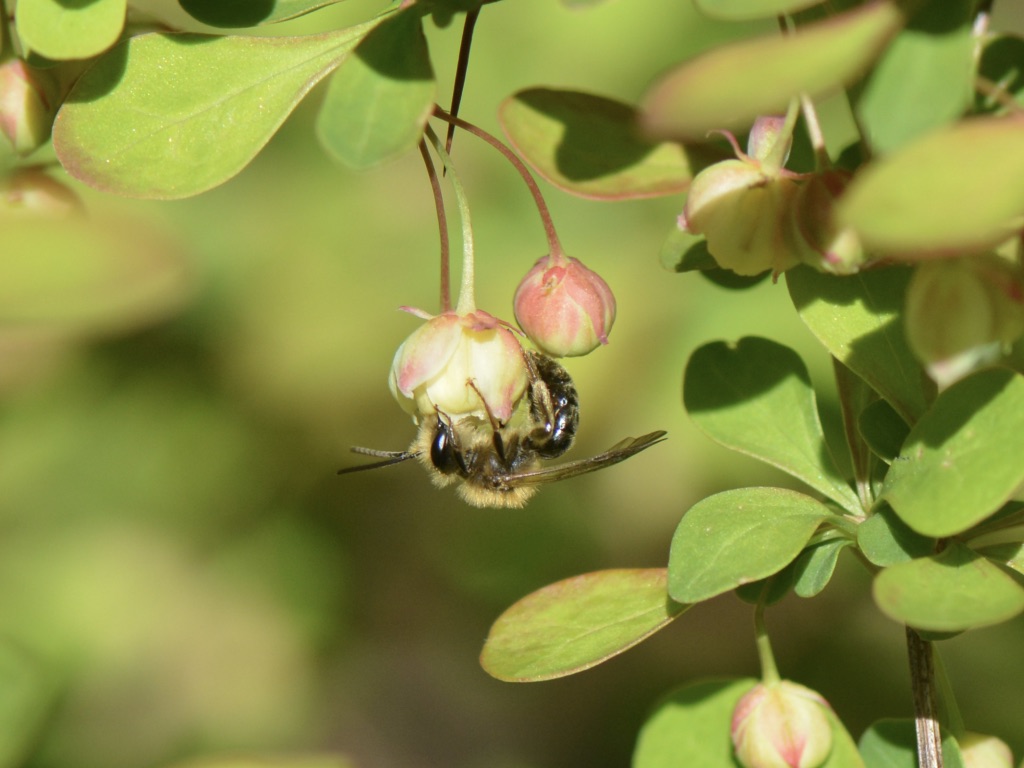
- Queen Bumble Bees – Feed on Dutchman’s breeches after emerging from hibernation.
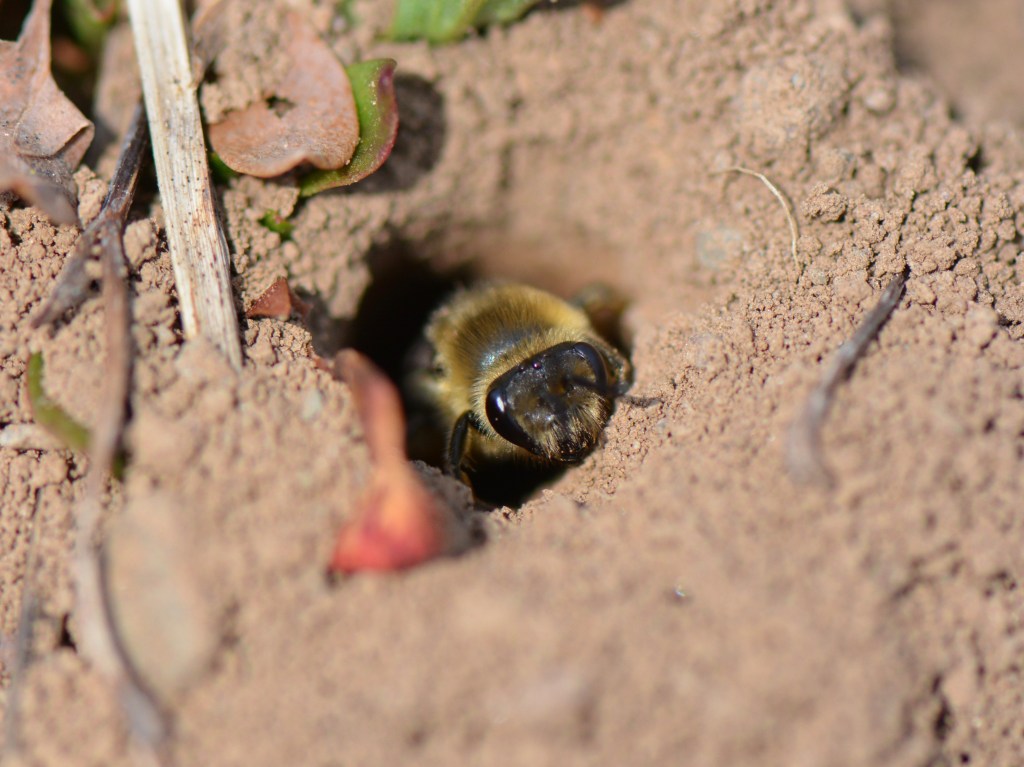
- Large Mining Bees (Andrena spp.) – Visit bloodroot and other early bloomers.
- Beetles and Flies – Key pollinators for trout lily and other early wildflowers.
Best Time to Visit: April to early May, before the leaf canopy closes overhead and the forest floor becomes shaded.

🌾 Meadows and Hayfields
Surrounding the barns, trails, and scattered across the property
Stony Kill’s wide-open meadows, hayfields, and cultivated farm plots provide abundant habitat for pollinators from spring through fall. With a mix of wildflowers, pasture plants, and crops, these areas support both native and managed bees crucial to food production and ecosystem health.
Pollinators at Work:
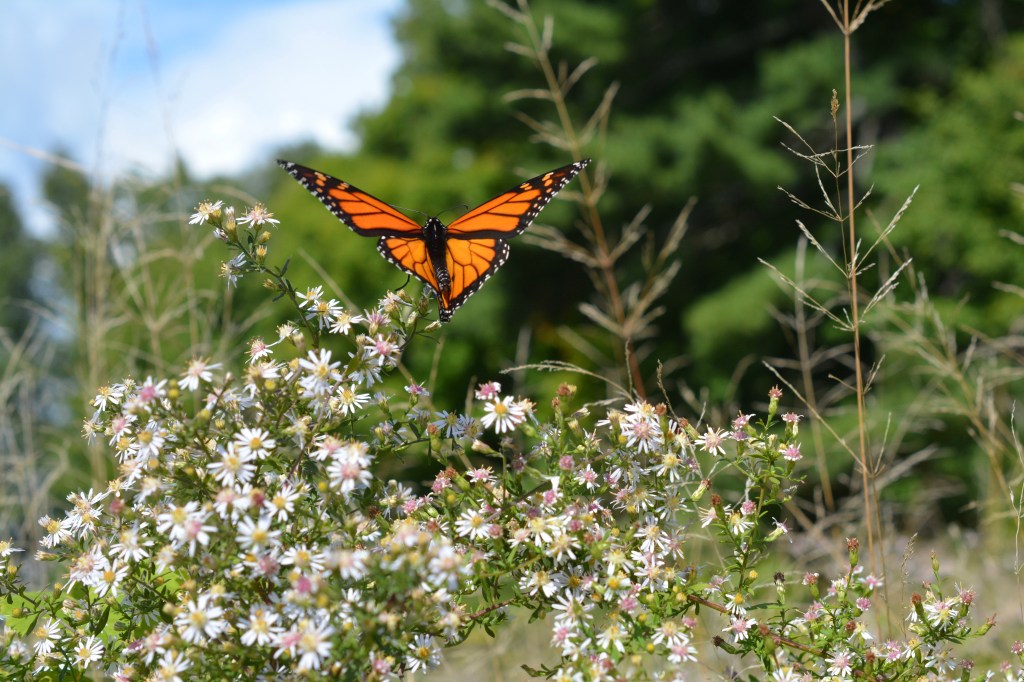
- Monarchs – Feeding on milkweed and laying eggs during summer.
- Spicebush and Black Swallowtails – Attracted to host plants along field edges.
- Fritillaries and Anglewings – Flitting through coneflowers and thistles.
- Nomada Cuckoo Bees – Parasitic bees on the lookout for host nests.
- Hoverflies and Beetles – Often-overlooked but essential flower visitors.
- Blue Orchard Bees (Osmia spp.) – Just 250 can match the pollination power of two honey bee hives.
- Mining Bees (Andrena spp.) – Early spring specialists visiting fruit blossoms.
- Honey Bees – Managed hives still play a key role in pollination and honey production.
Fun Fact: Don’t miss the migrating monarchs in late August and September as they prepare for their incredible journey to Mexico.
🐝 Beehives
Managed by Stony Kill beekeepers
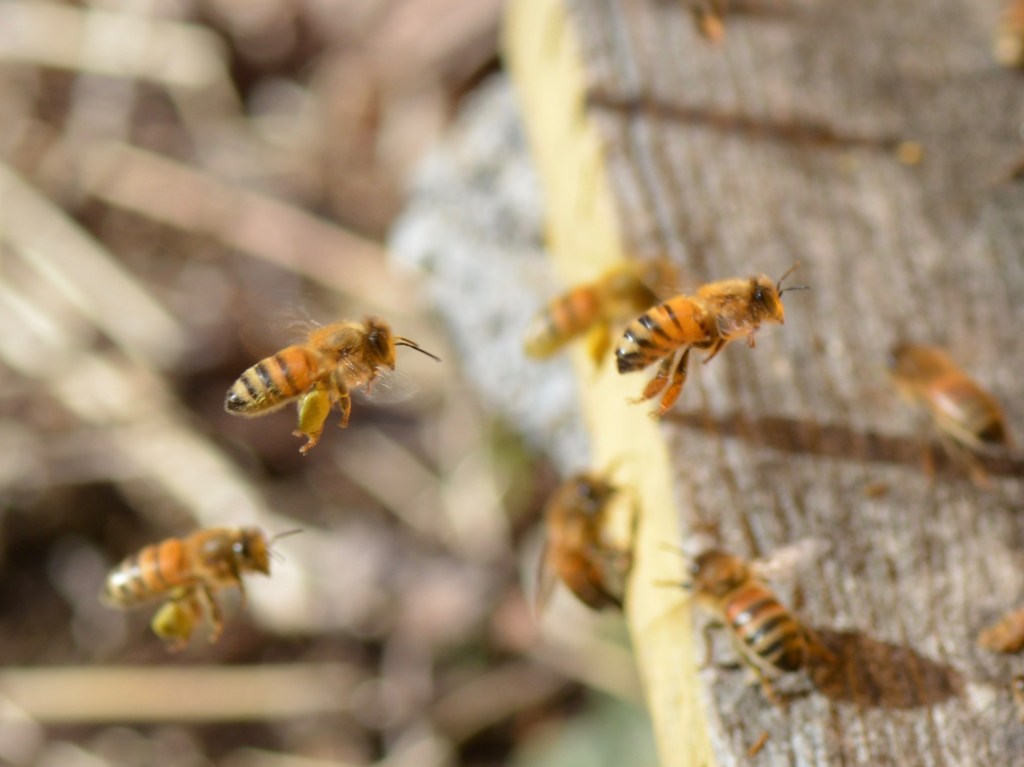
While native bees don’t make honey, the European honey bee does—and it plays an important role at the farm. Managed hives provide honey and serve as educational tools.
Inside the Hive:
- Honey bees form a superorganism that survives winter by clustering and vibrating for warmth.
- Beekeepers leave enough honey in the hive to support the bees through the cold months.
- A strong hive in a good year produces extra honey to share—bottled and sold by the Foundation.
Winter Tip: Put your ear to the hive and you may hear the soft hum of bees within—proof of life even in the cold.
Why It Matters
New York is home to over 450 species of native bees. Each plays a role in supporting crops, wildflowers, and healthy ecosystems. Research continues to reveal the essential roles native pollinators play—not just in agriculture, but in biodiversity.
The more diverse the pollinator population, the more resilient the landscape. Stony Kill Farm is not only a refuge for these incredible insects, but also a living classroom where visitors—just like Suzanne, Elizabeth, and Wilhelmina—can find wonder in the wings of a butterfly or the buzz of a bee.

 Native Beeology