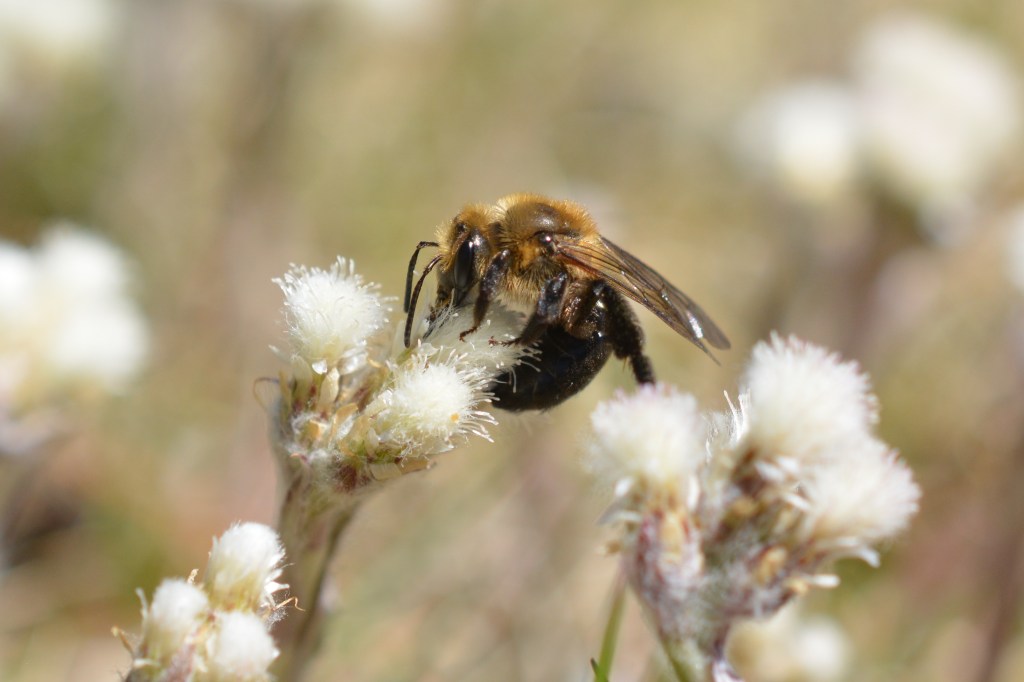
Known by a host of charming names—ladies’ tobacco, plantain-leaved everlasting, and plantain-leaved pussytoes—Antennaria plantaginifolia may not demand attention, but it quietly holds its place among spring’s most valuable native plants. This low-growing perennial in the Aster family is tailor-made for tough spots: dry, rocky soils and full sun are where it thrives best.
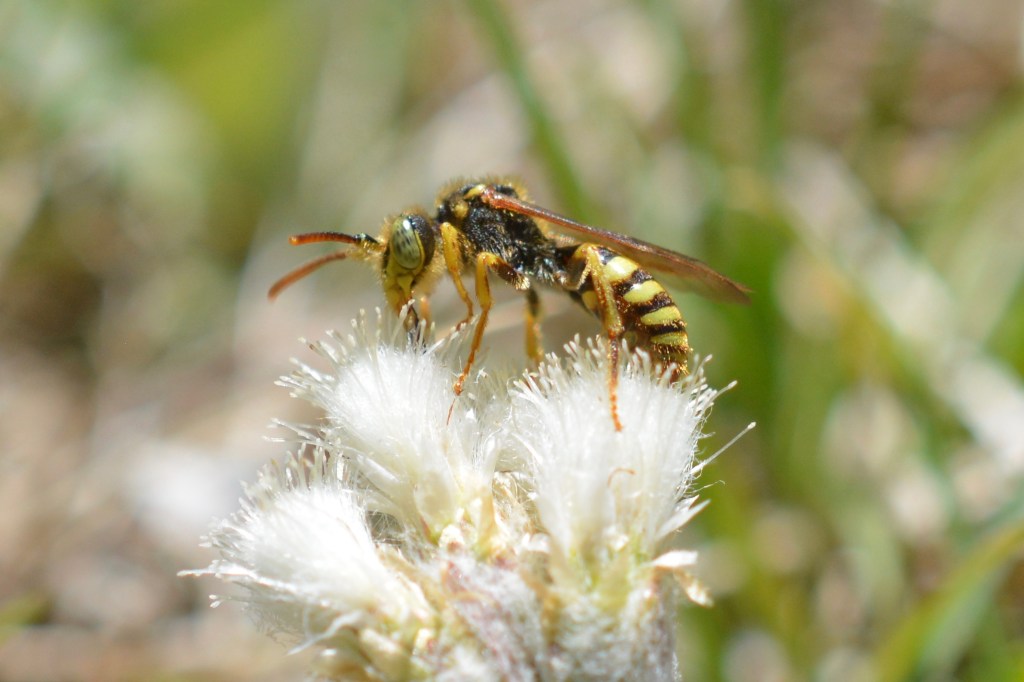
Its basal leaves, shaped like paddles, bring to mind common plantain (Plantago major), but take a closer look—these leaves are covered in fine hairs and traced with three to five parallel veins. In spring, unassuming flower stalks rise no more than six inches tall, each bloom soft and fuzzy like a cat’s paw—hence the name “pussytoes.” Others see antennae, a nod to the genus name Antennaria. Though the flowers carry no fragrance, they draw in a surprising array of bees and pollinators.
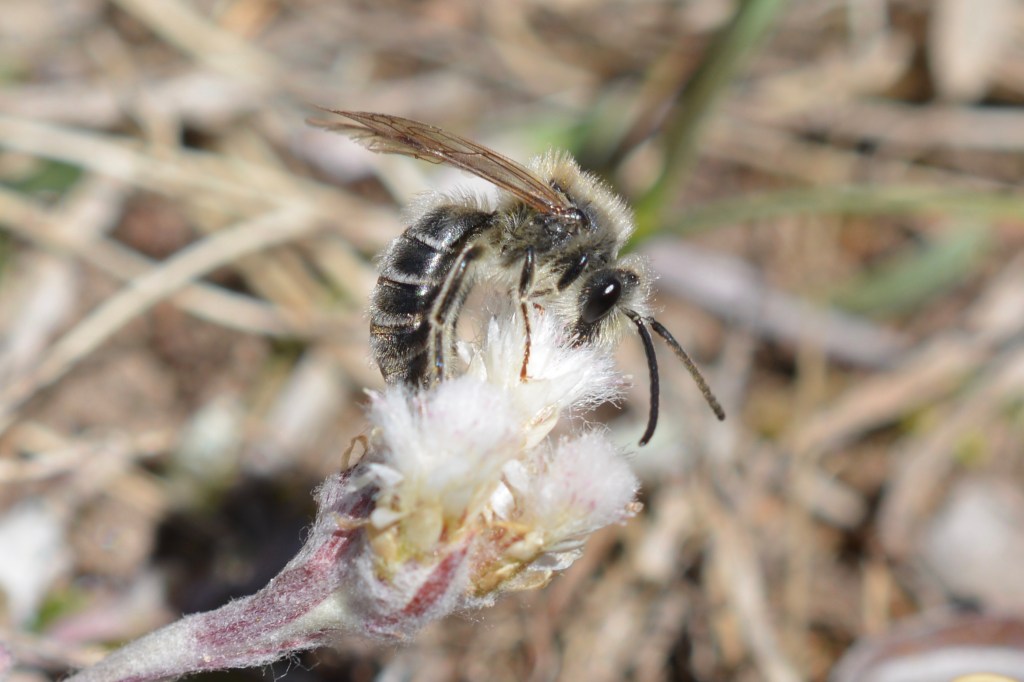
As with many early bloomers, Antennaria flowers are adaptable—capable of wind, insect, or even self-pollination. These plants are dioecious, meaning individual plants produce either male or female flowers. Cross-pollination supports genetic diversity, but when pollinators are scarce, pussytoes still manage—spreading clonally via stolons, rooting stems that creep along the surface like strawberry runners.
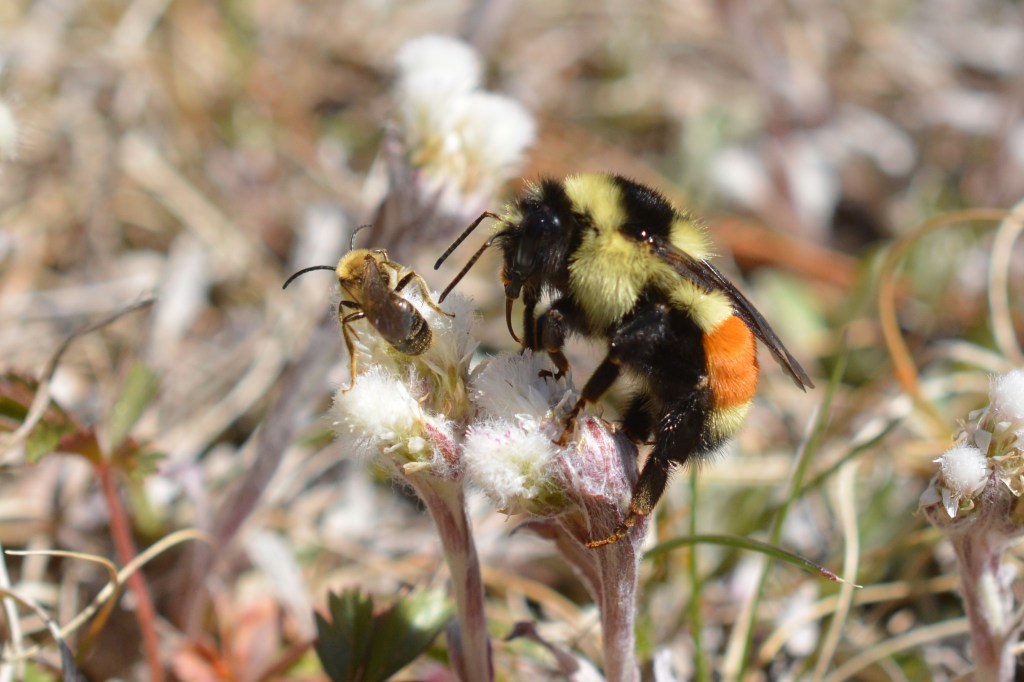
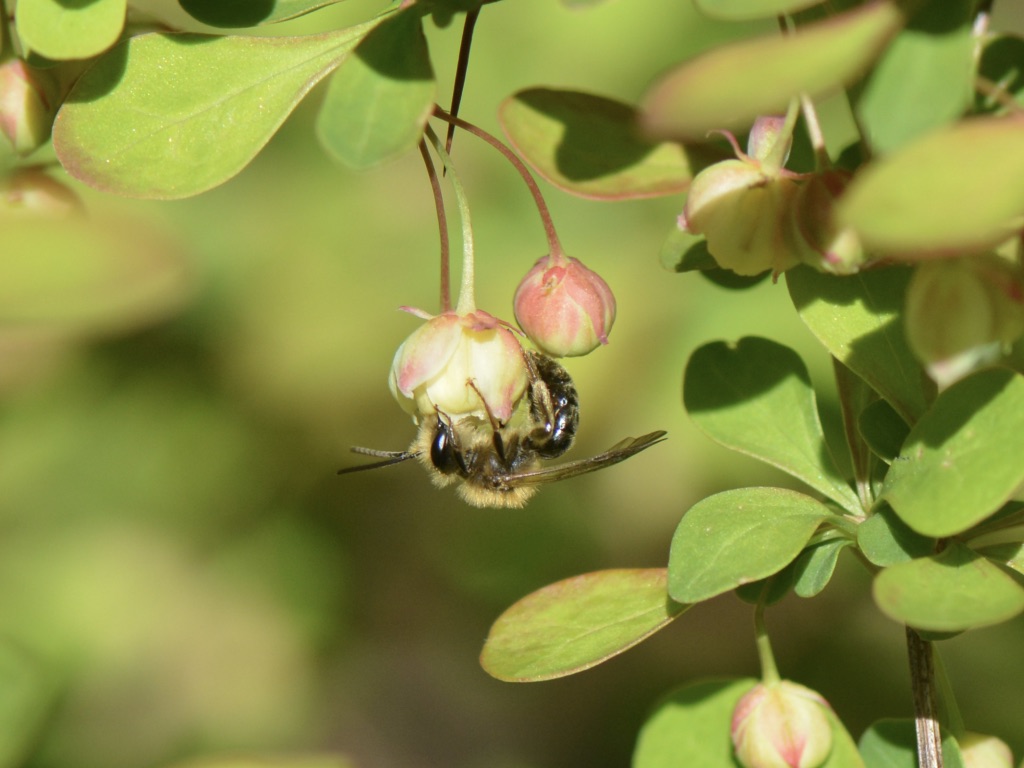
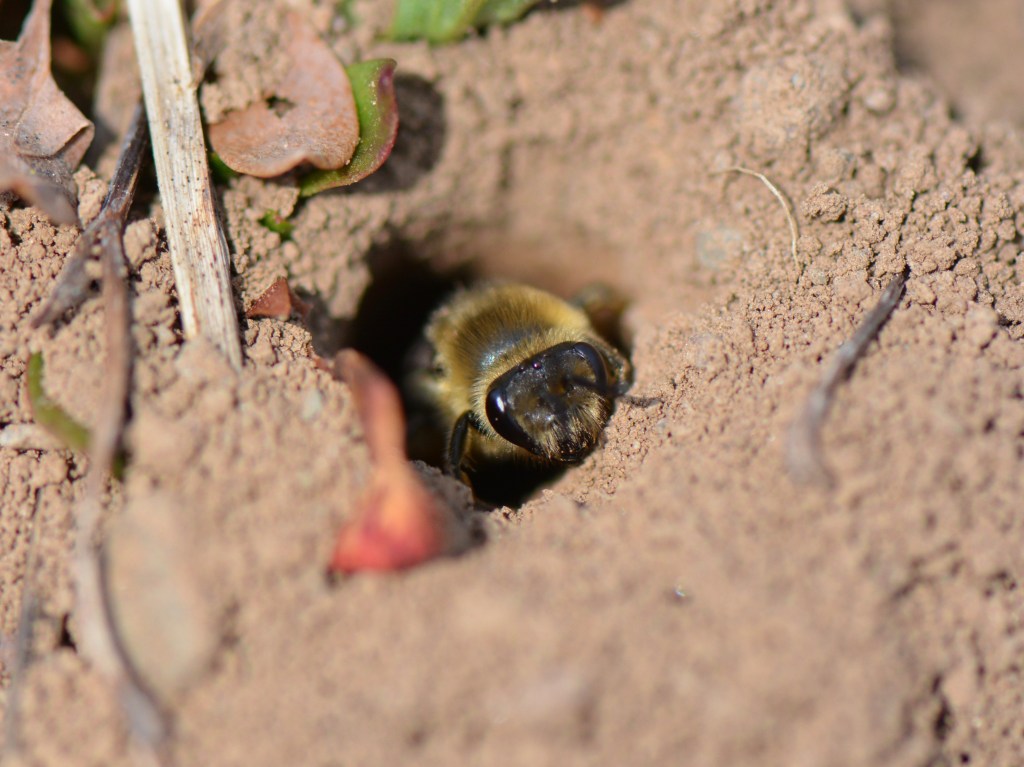
Despite its subtle appearance, this plant is a magnet for pollinators. Often overlooked by gardeners—and even labeled a weed by some—Antennaria plantaginifolia is beloved by bees. From the rocky outcrops of the Adirondacks to open meadows in the Hudson Valley, spring brings a steady buzz to its blooms. Mining bees (Andrena spp.), metallic green sweat bees (Halictus spp.), and early bumble bees (Bombus spp.) all find refuge and reward in its floral offerings.

Beyond bees, this humble plant supports butterflies too. It serves as a host plant for the caterpillars of the American painted lady (Vanessa virginiensis), a species also known to use burdock and ironweed. Its leaves provide the perfect shelter and nourishment for the next generation of these colorful wanderers.
Whether you’re cultivating a pollinator-friendly garden or simply paying attention to the quiet corners of a springtime trail, pussytoes deserve a second glance. They may be inconspicuous, but they’re far from insignificant.

 Native Beeology