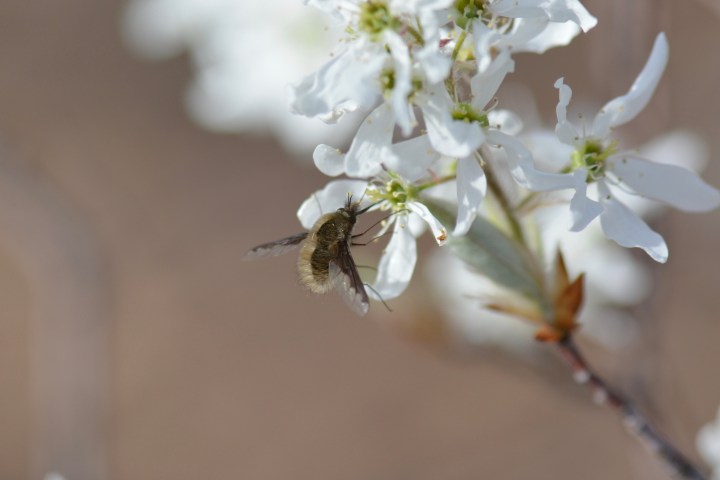
Flies (Diptera spp.) may not be the darlings of the pollinator world, but they are an eclectic and essential group with over 120,000 described species, many of which visit flowers. Some even wear disguises—like the fuzzy, hovering bee fly—a master of Batesian mimicry, mimicking bees to deter predators while posing no threat.
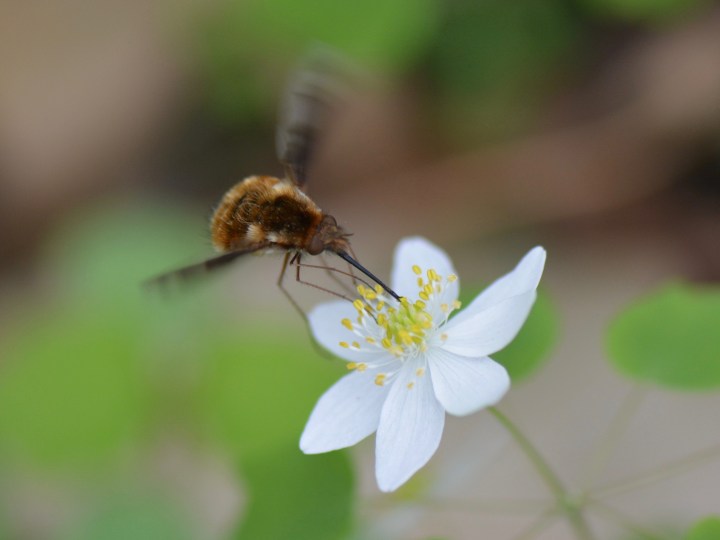
Take a moment in spring to observe the flash of striped legs and rapid wingbeats near early-blooming wildflowers—you may spot a bee fly (Bombylius spp.) sipping nectar mid-air, its long proboscis extended, wings whirring in a high-pitched buzz.
When Mimicry Meets Function
The bee fly is about the size of a small bumble bee, with dense hair, long legs, and a long tongue that lets it hover just above flowers while feeding—staying clear of predators like ambush bugs and spiders. Unlike bees, which land and crawl inside blossoms, bee flies drink while hovering, often visiting early spring wildflowers.
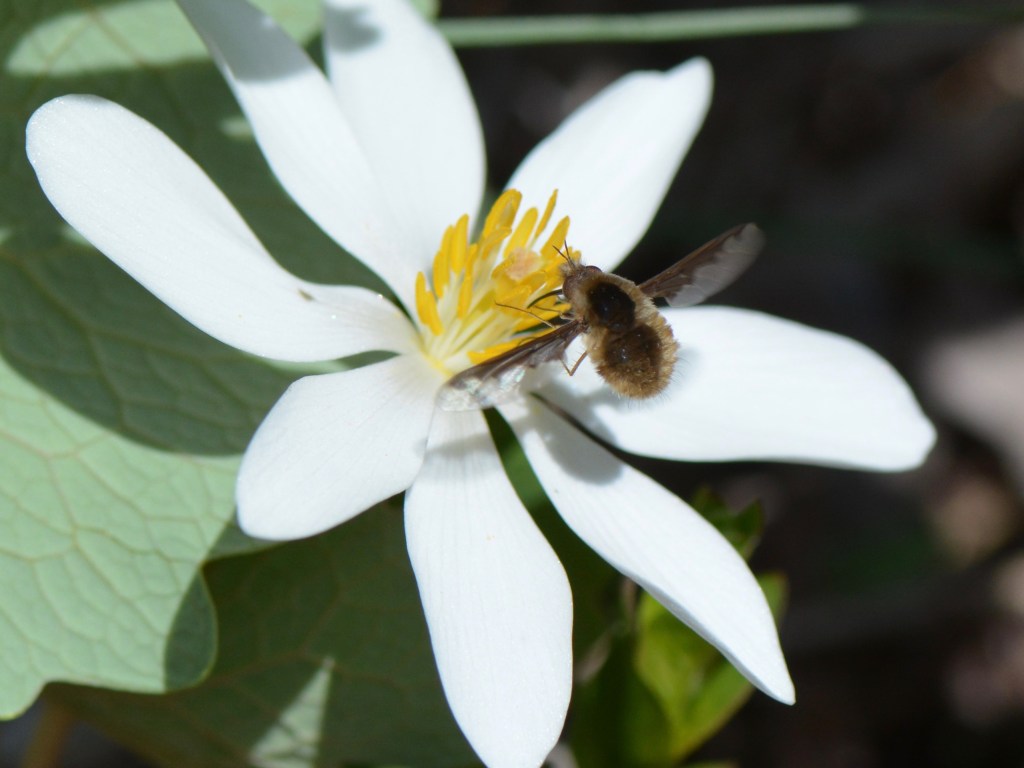
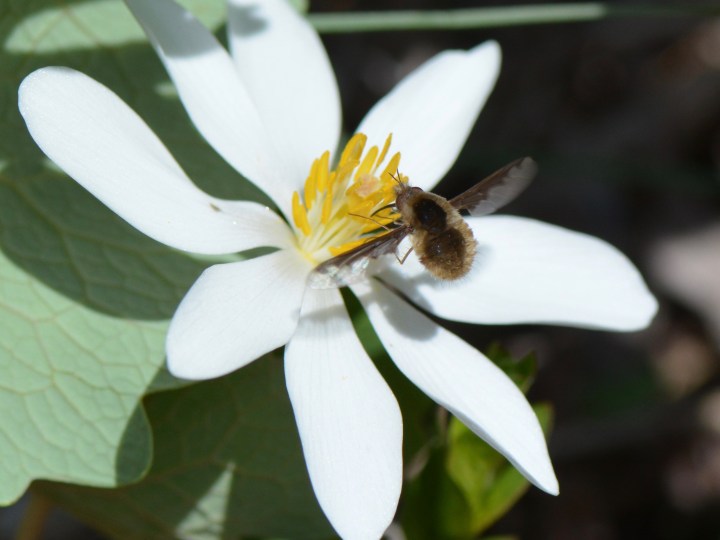
On a recent spring day in Stewart State Forest, I watched a bee fly persistently visit a bloodroot flower, a species that produces no nectar. It raised an interesting question—was the fly fooled, or collecting protein-rich pollen, as some flies do for reproduction?
Pollinator and Parasite
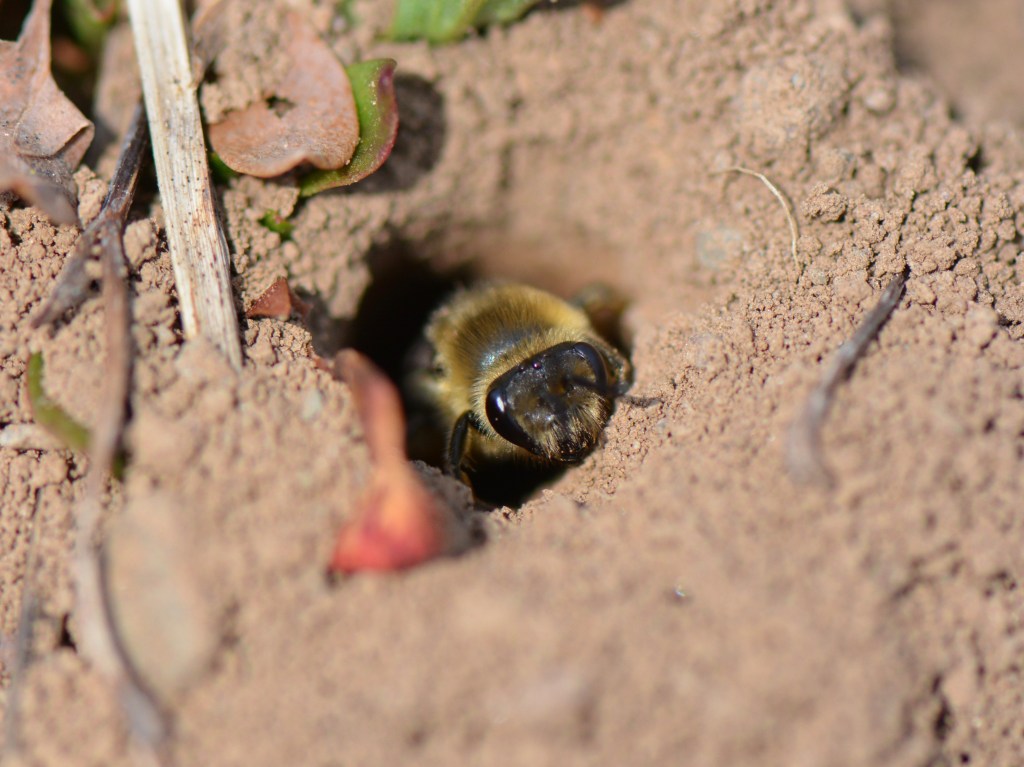
But these fuzzy mimics have a dark side. Bee flies are parasitic to many solitary spring bees, especially Andrena(mining bees). Females flick eggs into or near bee nesting tunnels. Once hatched, the fly larva invades the bee’s nest, consuming the pollen stores—and often the bee larva too. The bee fly overwinters underground as a pupa and emerges the following spring to repeat the cycle.
lies: Unsung Heroes of the Flower World
While bees are often hailed as nature’s top pollinators, flies rank a close second, and many are more versatile than we realize. Of the 150 families of flies, at least 71 include flower-visiting adults. Some flowers have evolved to specifically attract flies—sometimes by deception.
Carrion flowers, for example, mimic the smell of rotting flesh to attract flies seeking a place to lay eggs.
Deceived, the flies enter, expecting decay—but leave instead with pollen clinging to their bodies.
This evolutionary strategy, shaped by natural selection, shows how far plants will go to ensure pollination—especially where bees are scarce.
Local examples of fly-pollinated plants include:
Skunk cabbage
Jack-in-the-pulpit
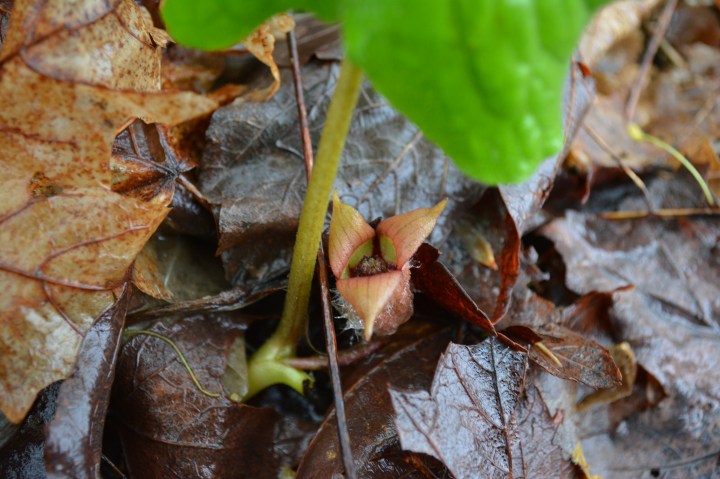
Wild ginger
Pawpaw
Red trillium (aka “Stinking Benjamin”)
Masters of Disguise: The Syrphid Flies
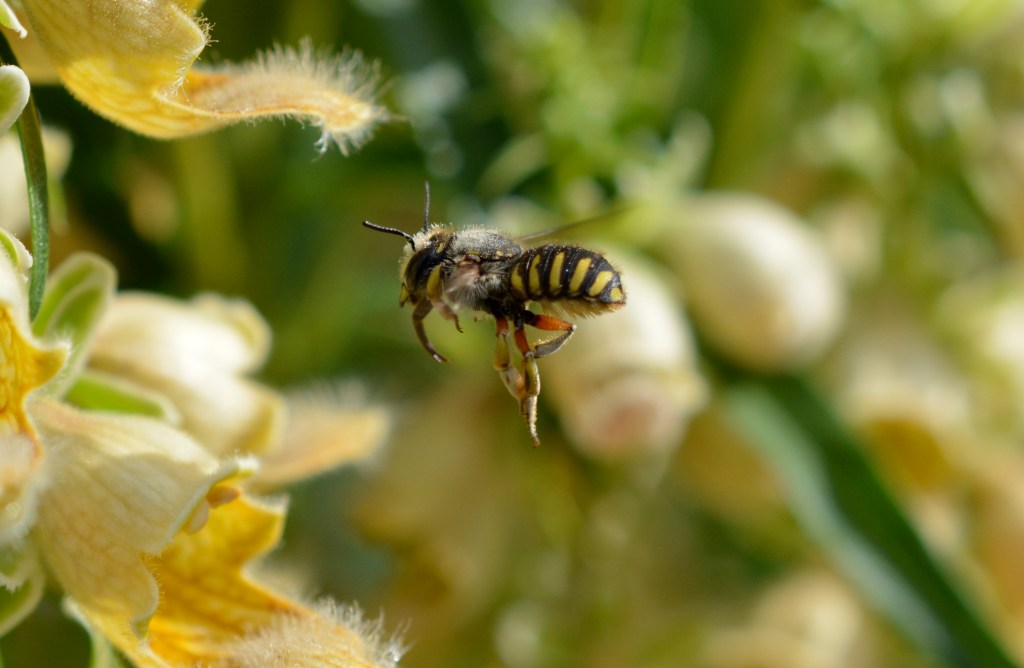
One of the most beneficial groups is the Syrphidae family—commonly called flower flies or hoverflies. These are bee and wasp mimics, with yellow and black striping that fools predators and people alike. Despite their appearance, they are harmless—and highly valuable:
Over 6,000 species worldwide
40% have predatory larvae that consume garden pests like aphids
Adults feed on nectar and pollen, supporting plant reproduction

Why Flies Matter—Especially in Cold Places
Flies also thrive in conditions that bees often avoid. They are active at cooler temperatures, making them essential in early spring and at northern latitudes. In fact, in the High Arctic, flies—particularly muscid flies (the house fly family)—are the dominant pollinators.
Closer to home, the little bee fly visiting a bloodroot bloom reminds us of what we still don’t fully understand about fly pollination. These insects, often dismissed as nuisances, quietly sustain ecosystems alongside their more celebrated bee counterparts.
Takeaway: A World Beyond Bees
Flies are diverse, adaptable, and essential to many plant communities—especially those with specialized or deceptive flowers. They may not produce honey or live in hives, but their ecological value as pollinators, predators, and decomposers makes them vital to functioning landscapes.
As our understanding of pollination ecology expands, so too should our appreciation for flies—the pollinators flying in the shadows.
Resources:
- http://diptera.myspecies.info/diptera/content/flies-–pollinators-two-wings
- https://www.fs.fed.us/wildflowers/pollinators/animals/flies.shtml

 Native Beeology