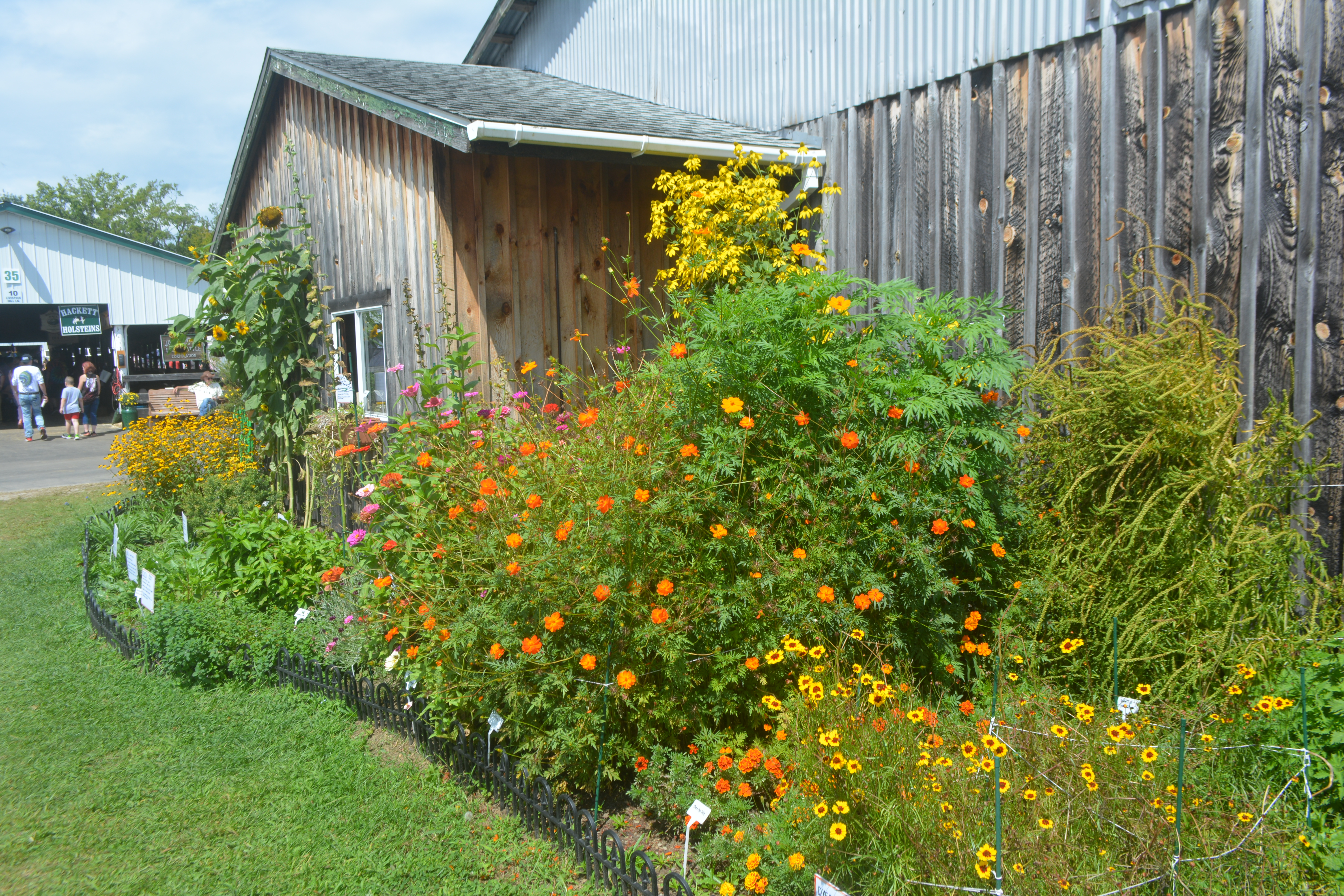
A beautiful example of a botanical dye garden can be found just outside the Wool Nook and the sheep barn at the Dutchess County Fairgrounds in Rhinebeck, NY. The Mary Kelly Dye Garden features a wide assortment of plants used to create natural dyes from roots, berries, bark, flowers, and other plant parts. These natural dyes work well with both plant-based fibers, such as cotton, linen, and hemp, as well as animal fibers like wool.
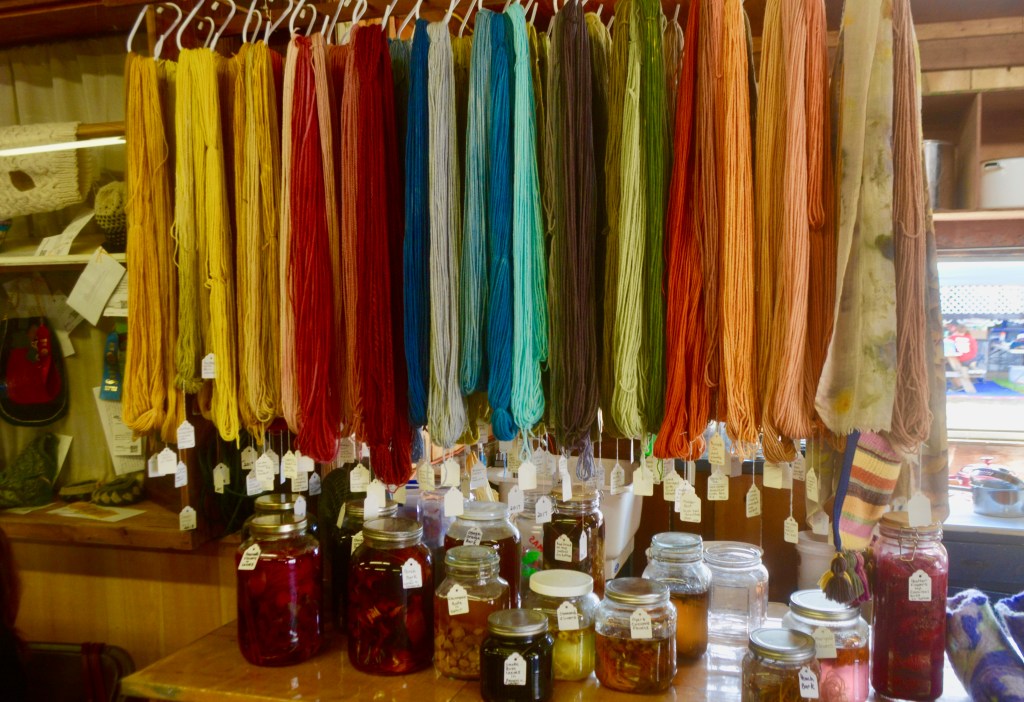
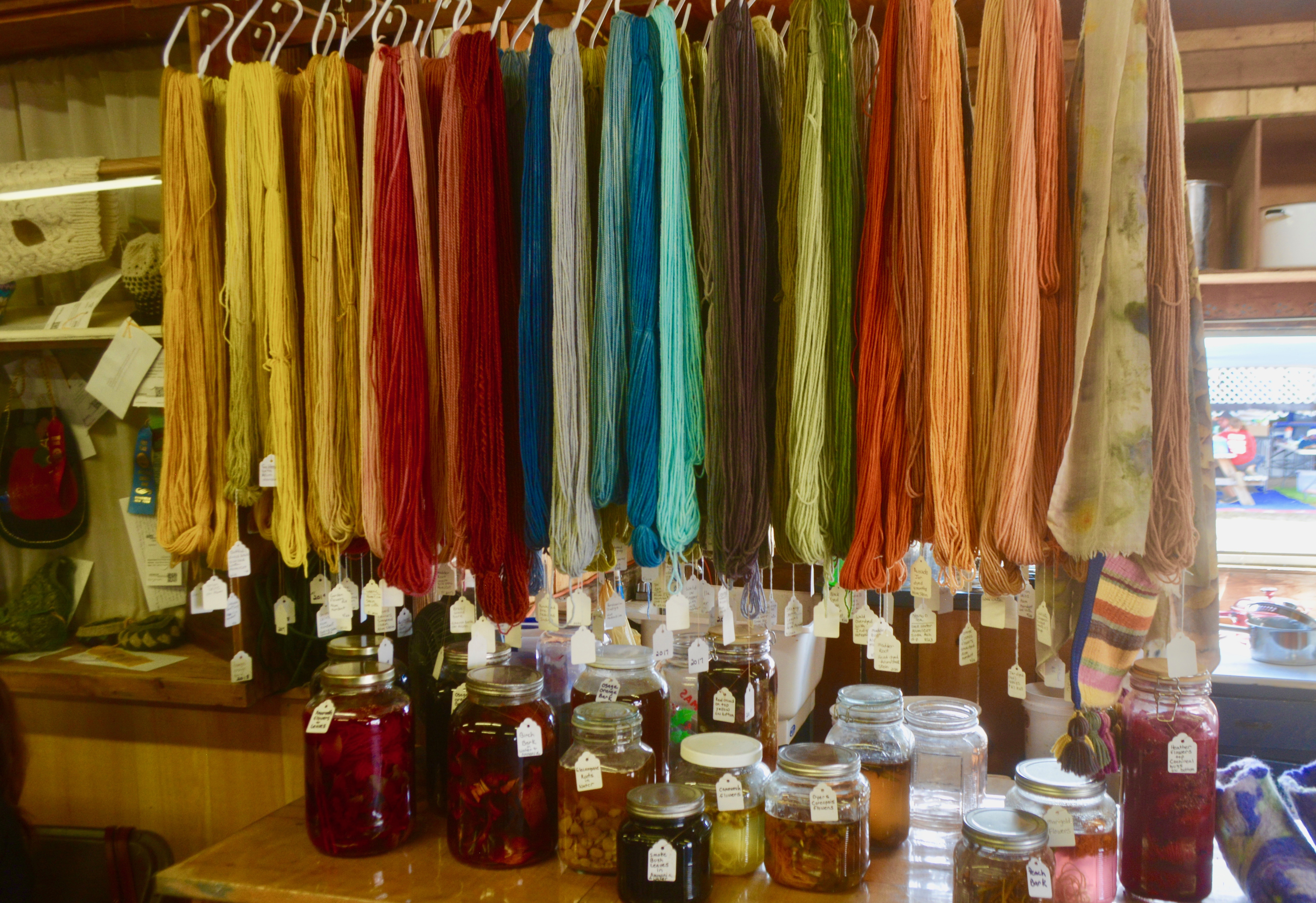
Inside the Wool Nook, the connection between plants and wool becomes even more evident through a beautifully curated display by Bonnie Warwick, showcasing the vivid colors that can be achieved from plant-based dyes. A stroll through the garden also reveals that many of these plants are an excellent food source for a variety of pollinators.
This garden includes both native and non-native plants, all chosen for their dyeing properties. Below is a brief guide to some of the flowers in bloom during the fair in late August, along with the pollinators they attract and the colors they produce. This sampling aims to raise awareness of the many uses of plants and their value as pollinator food sources.
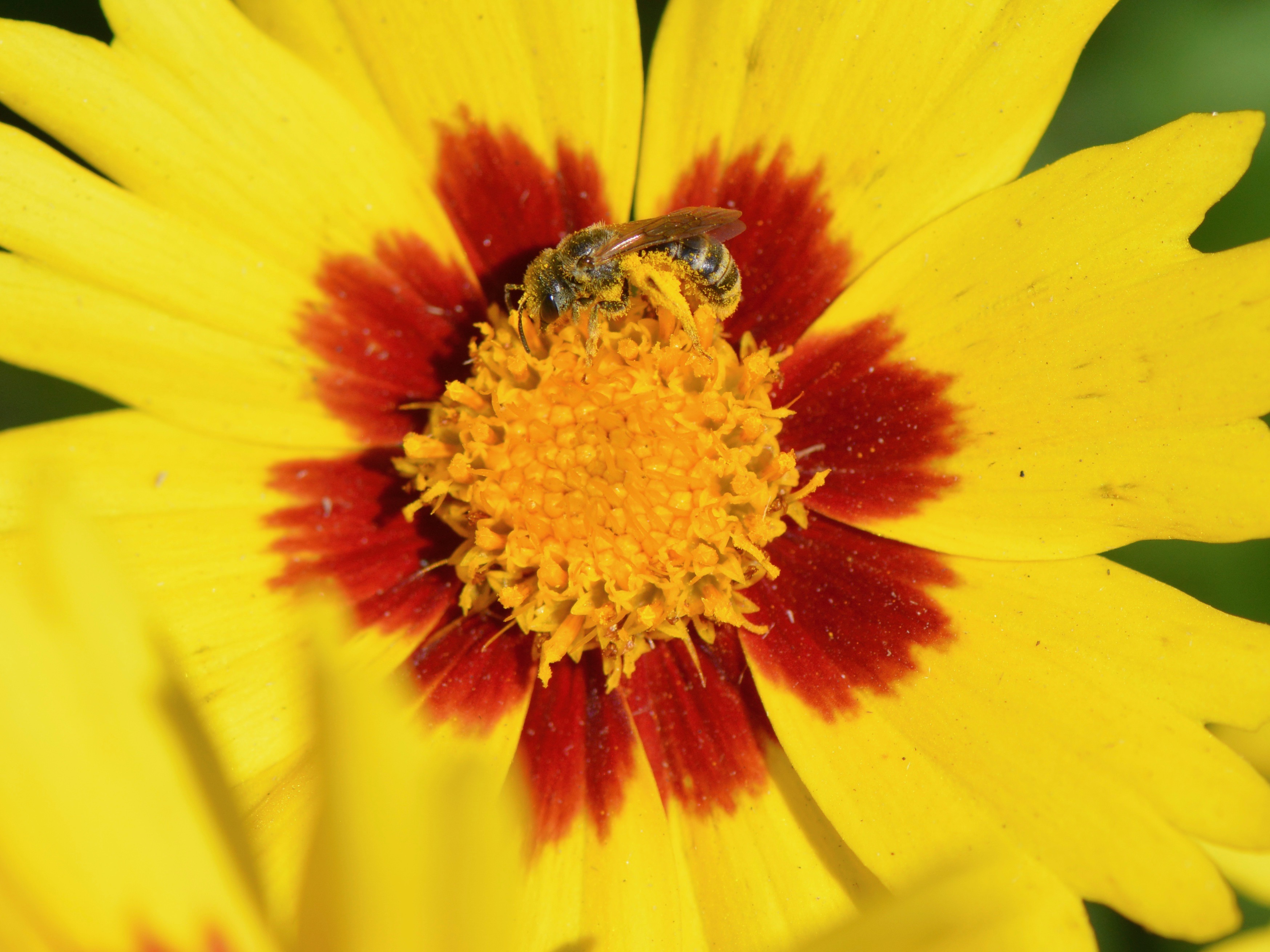
Coreopsis
Native to the Great Plains of North America, Coreopsis is a member of the Aster family and attracts a wide variety of bees, including dark sweat bees. The flowers of dyer’s Coreopsis yield vivid yellow, orange, and brown hues. The color is pH-sensitive, with lemon juice turning it more yellow and soda ash bringing out reds. For dyeing, it’s recommended to use equal parts of flower to wool.
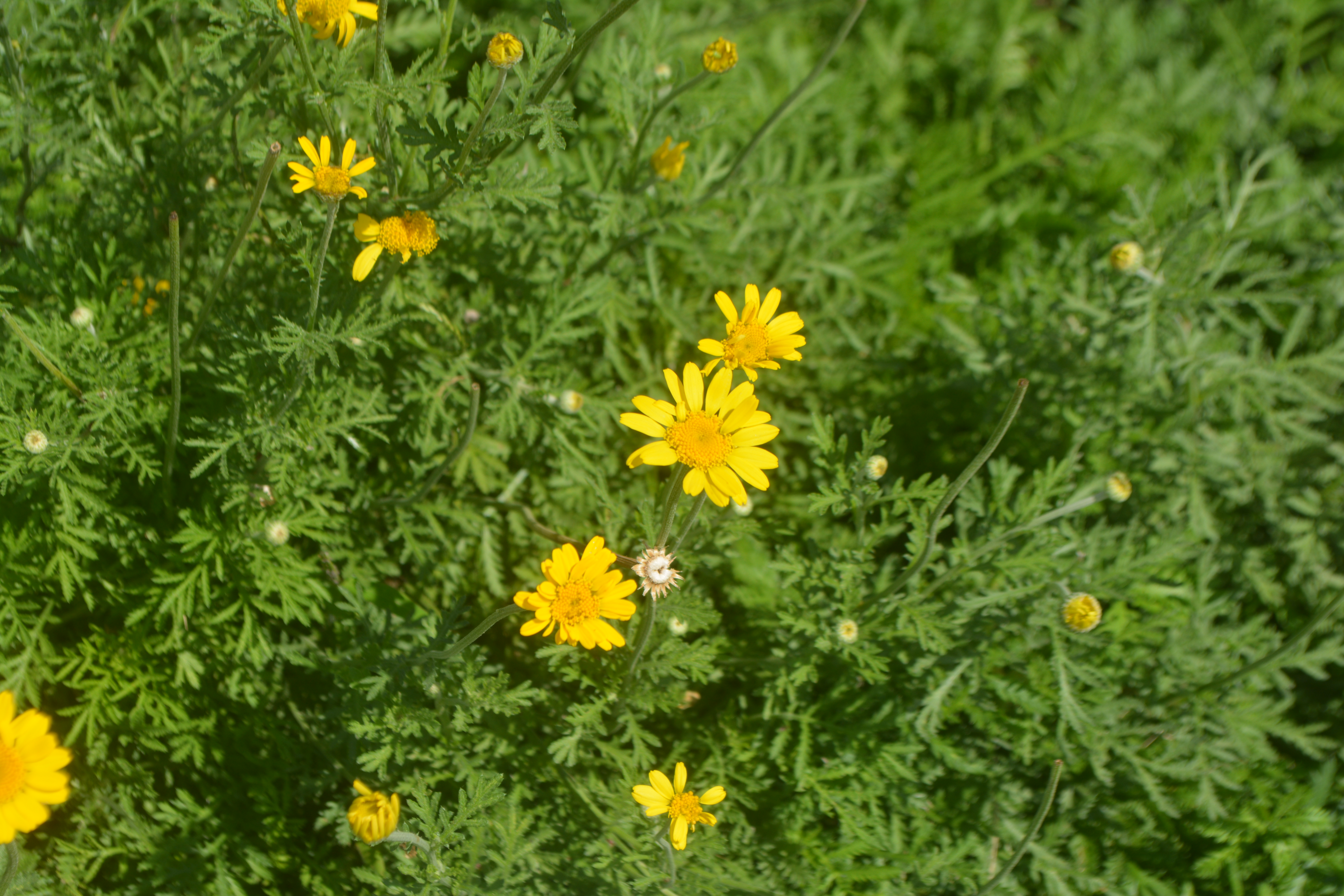
Chamomile (Anthemis tinctoria)
Chamomile is a perennial plant native to Europe, famous for its calming properties when brewed as tea. Among the many chamomile varieties, Anthemis tinctoria is the preferred one for dyeing. Its fresh or dried flowers produce a lightfast, crisp yellow, and when overdyed with Indigo, you can achieve green. The name “chamomile” comes from the Greek word meaning “earth apple,” referring to the plant’s low-growing habit and apple-like scent.
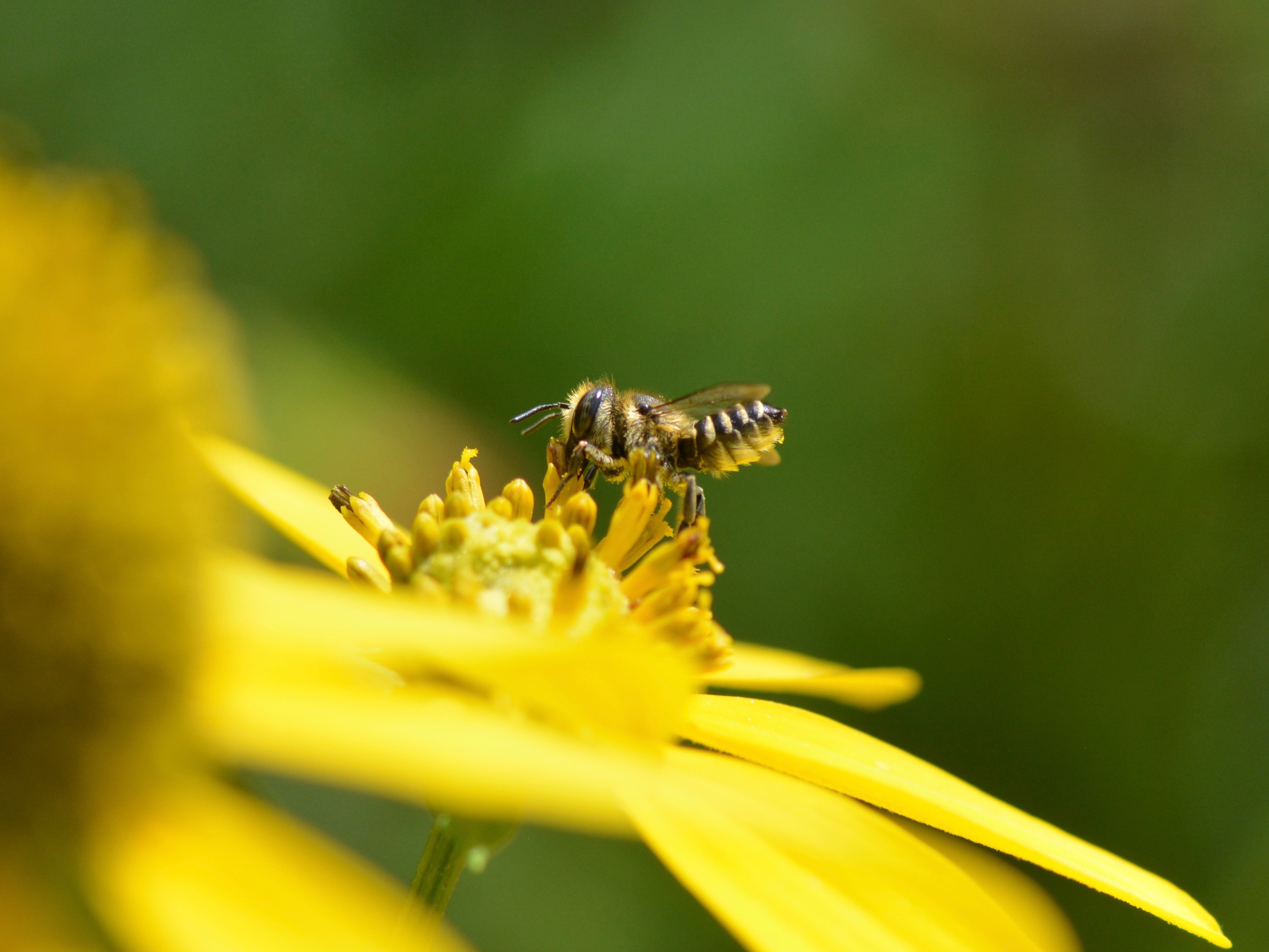
Black-eyed Susan (Rudbeckia spp.)
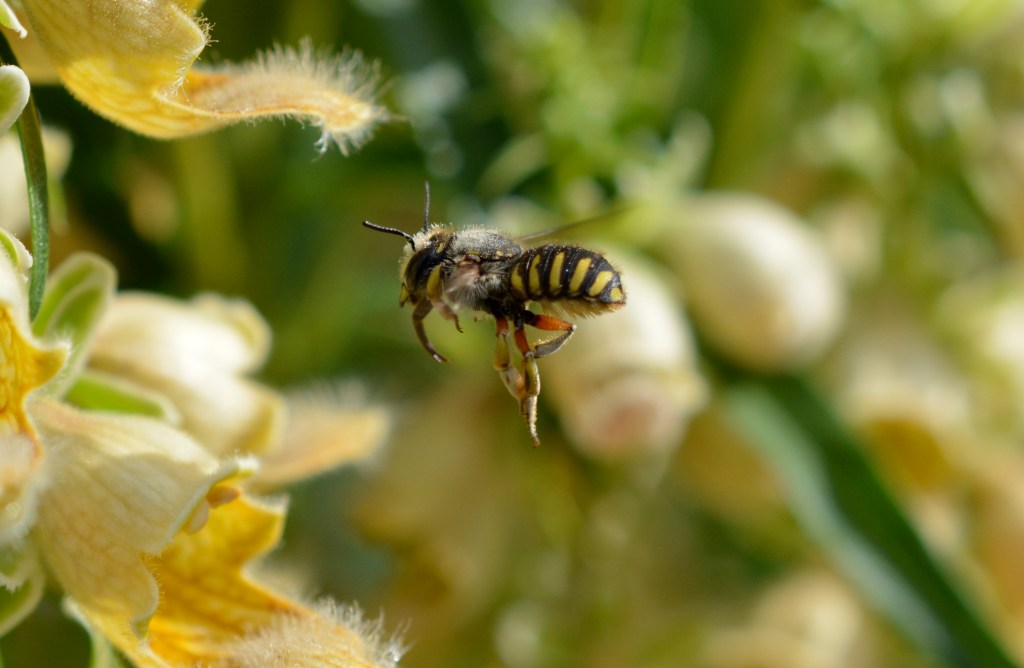
Another member of the Aster family, Black-eyed Susan’s flower heads produce a celery-green dye. This hardy, native plant attracts many pollinators, including leaf-cutter bees. It’s also a host plant for at least 18 species of butterflies and moths, including the Silvery Checkerspot butterfly caterpillar, which relies on it to complete its lifecycle.
Cutleaf Coneflower
Similar to Rudbeckia, the Cutleaf Coneflower also produces a green dye. Like Black-eyed Susan, this plant is native and valuable for pollinators, helping support local ecosystems.
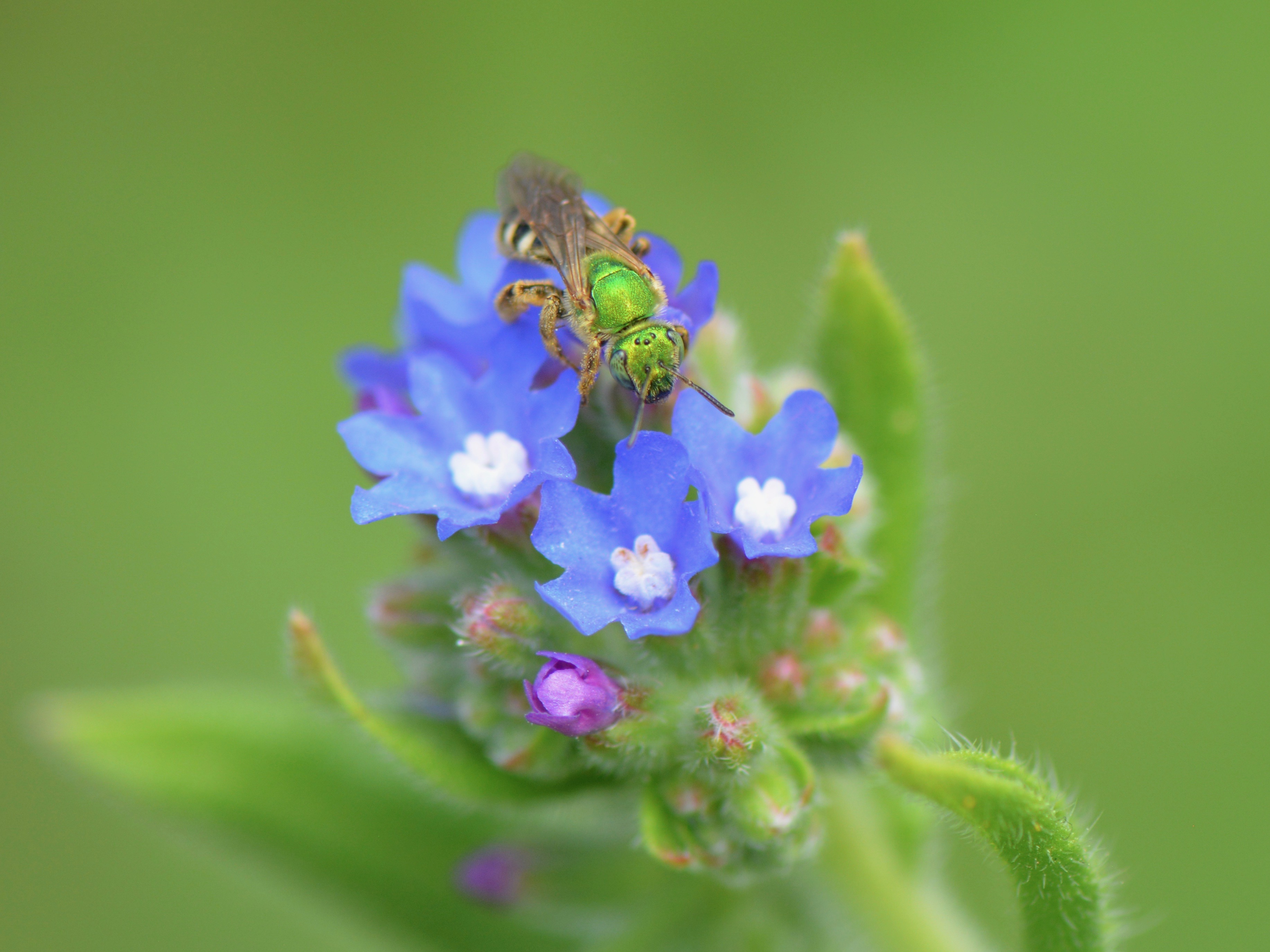
Dyer’s Bugloss (Alkanna tinctoria)
A member of the borage family, Dyer’s Bugloss is used to make a maroon or ruby red dye derived from its roots. Native to the Mediterranean, it has been used since antiquity for dyeing, coloring wines and varnishes, and even as a food coloring in some cultures. The plant attracts a broad range of pollinators, including the green sweat bee. Its edible flowers have a taste reminiscent of fresh cucumbers.
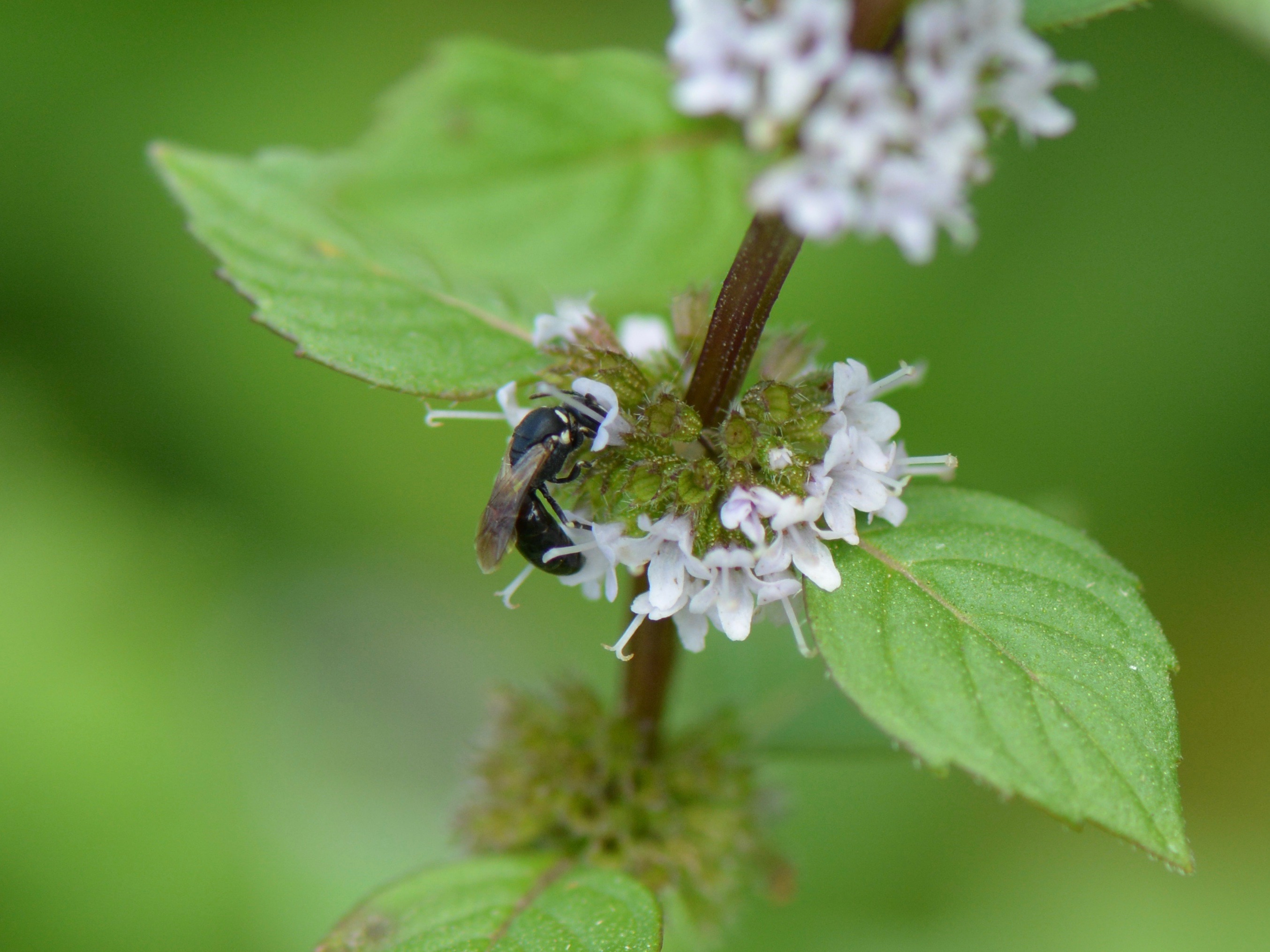
Mint (Mentha spp.)
Mint is another versatile plant for making green dye. Known for its calming effects as a tea, mint is also highly attractive to pollinators, constantly abuzz with activity. Native varieties, such as Mountain Mint (Pycnanthemum), Bee Balm (Monarda), and Canadian Mint (Mentha canadensis), are particularly beneficial. Mint also grows aggressively and is deer-resistant, making it an excellent addition to any pollinator-friendly garden.
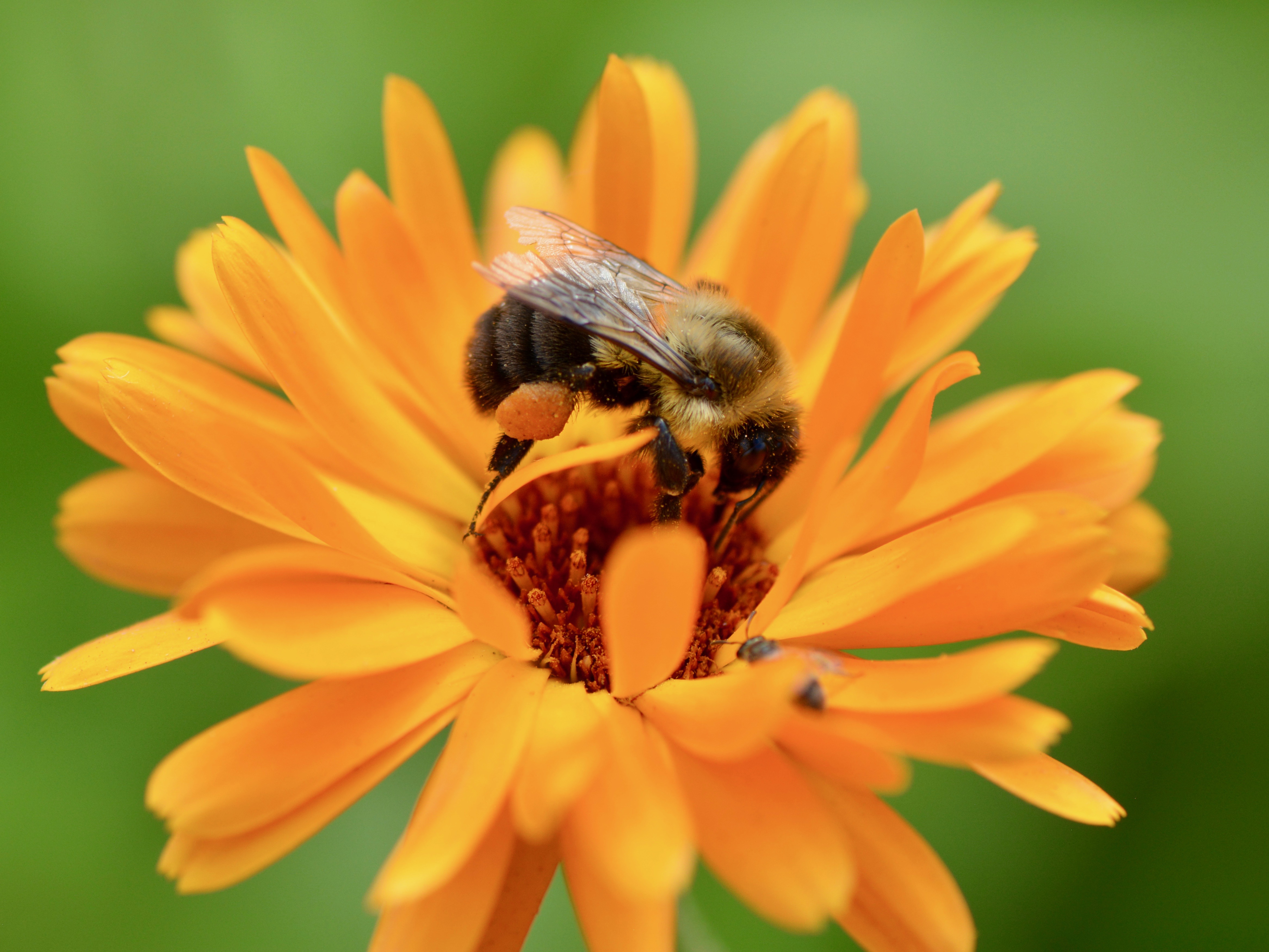
Calendula
Related to marigolds, Calendula produces dyes in bright yellow to khaki green shades. This annual plant is a favorite among pollinators and is also edible, with various medicinal properties. It’s a great choice for both dyeing and supporting pollinator populations.
Tansey (Tanacetum vulgare)
Tansey produces a cool yellow dye, which can shift to a bronze or earthy green when exposed to iron as a mordant. While the plant has toxic properties, making it an effective insect deterrent, it also attracts a rather unusual pollinator—mosquitoes. The nectar of Tansey is believed to produce certain odorants that specifically attract mosquitoes, which both consume the nectar and pollinate the flowers.

By showcasing these plants, the Mary Kelly Dye Garden not only highlights the beauty and variety of natural dyes but also underscores the importance of planting for pollinators. Whether native or non-native, each plant in this garden plays a vital role in supporting pollinator populations, while also offering a colorful palette for those interested in natural dyeing
Resources:
- Guide to Natural Dyes: https://naturaldyes.ca/maiwa-guide-to-natural-dyes-pdf
- Vegetal Dyes Inspired by the Navajo Nation; https://www.ohio.edu/sites/default/files/sites/museum-complex/files/VegetalDyes.pdf
- Manual for Natural Dying.
- **Peach, D.A.H., Carroll, C., Meraj, S. et al. Nectar-dwelling microbes of common tansy are attractive to its mosquito pollinator, Culex pipiens L.. BMC Ecol Evo 21, 29 (2021). https://doi.org/10.1186/s12862-021-01761-5

 Native Beeology